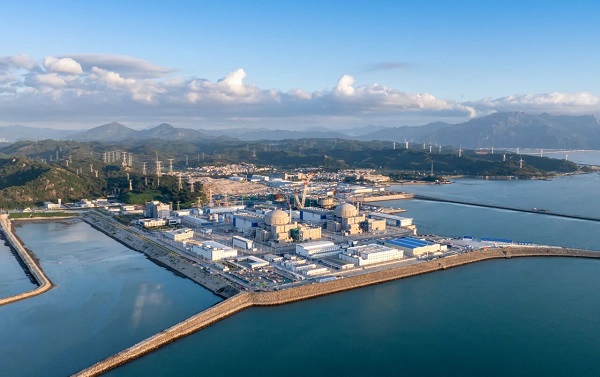


On October 11, Unit 2 of the Zhangzhou nuclear power project, utilizing the Hualong One technology, began loading its first batch of nuclear fuel. This milestone signifies the project's transition to the nuclear commissioning stage, paving the way for criticality and grid connection.
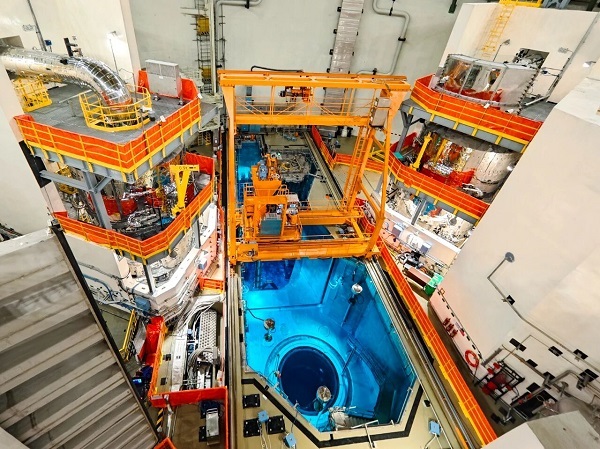
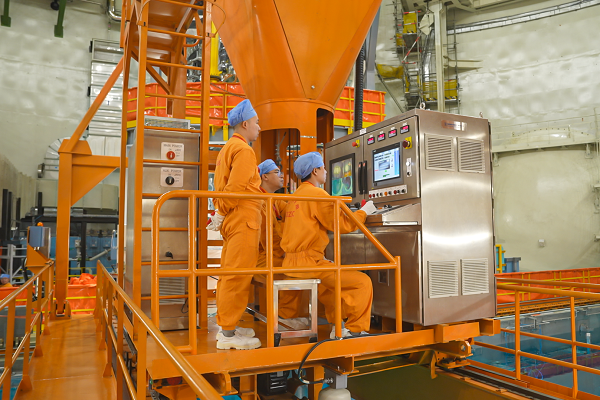
Fuel loading, which involves placing fresh nuclear fuel assemblies into the reactor, marks the shift from non-nuclear to nuclear testing and is a critical step before the plant begins generating electricity for power grid.
Hualong One is China's self-developed third-generation pressurized water reactor technology with fully independent intellectual property rights. This year marks the 10th anniversary of the construction of the world's first Hualong One unit. With steady progress in its standardized, large-scale deployment, Hualong One has become the world's most widely adopted third-generation nuclear technology in both operational and under-construction reactors. It has become a mainstay of global nuclear power development and a typical symbol for Chinese nuclear power technology to compete with its global counterparts, highlighting the advancement and reliability of the Chinese solution in the nuclear field.
Zhangzhou Nuclear Power is the starting point for the massive construction of Hualong One nuclear reactors. Planned to host six Hualong One units, it is the largest nuclear base of its kind worldwide. Once fully completed and operational, the plant is expected to generate approximately 60 billion kWh of clean electricity annually — enough to meet about 75% of the combined power demand of Xiamen and Zhangzhou in Southeast China's Fujian province.
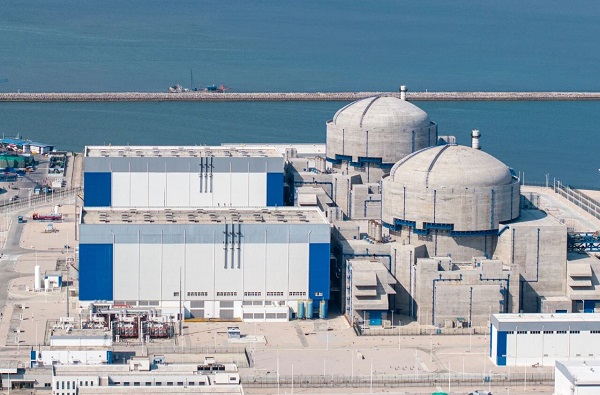
Until now, Unit 1 of Zhangzhou Nuclear Power has generated 7.8 billion kWh of electricity. Unit 2 is scheduled to be put into operation in the fourth quarter of 2025. Together, the two units are expected to supply over 20 billion kWh of clean power annually after the Unit 2 reactor entering commercial operation.