


On December 12, a major milestone was reached in the China–Russia nuclear energy cooperation project as unit 3 of the Xudapu nuclear power plant in Northeast China's Liaoning province successfully completed its cold functional test. This achievement marks the unit's transition from the installation phase to the commissioning phase, laying a solid foundation for the safe and orderly progress of subsequent commissioning activities.
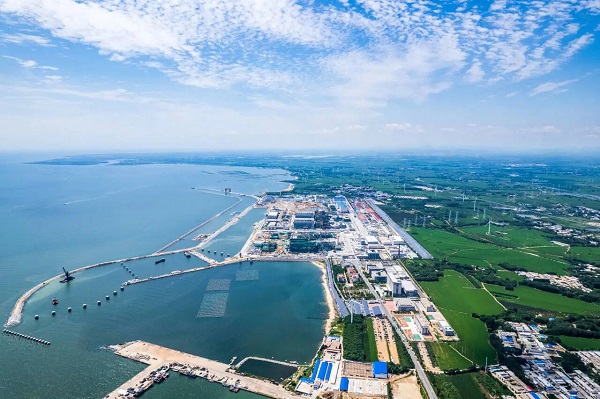
The cold functional test is a critical stage in nuclear power construction, serving as the first comprehensive verification of the reactor and primary circuit systems under cold, high-pressure conditions. Its successful completion confirms the integrity of the primary pressure boundary and the reliability of key equipment, ensuring safe and stable operation in the next stages.
The Xudapu project is planned to install six pressurized water reactor units, each with a capacity of one million kW. Unit 3 is scheduled to enter commercial operation in 2027, followed by Unit 4 in 2028. Once operational, the two units are expected to generate more than 18 billion kWh of electricity annually, saving approximately 6.4 million tons of standard coal and reducing carbon dioxide emissions by about 18.9 million tons each year—equivalent to the annual carbon absorption of 124,000 hectares of forest. The project will contribute to the adjustment of the industrial and energy structures in Liaoning province, the development of a clean, low-carbon, safe, and efficient modern energy system, and the achievement of China's dual-carbon goals.
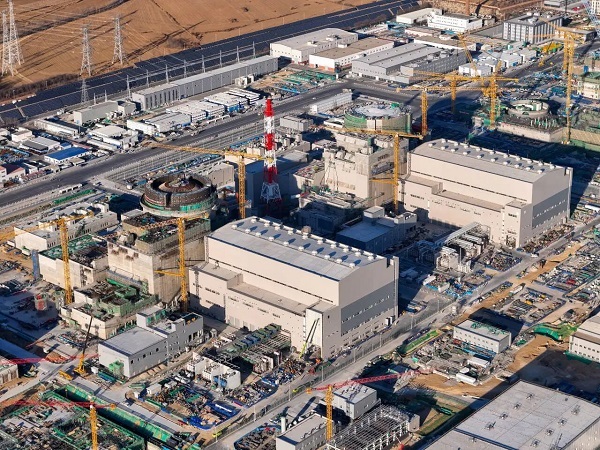
The steady progress of the Xudapu nuclear power project reflects CNNC's commitment to China's national energy security strategy and its support for building an integrated energy base in Northeast China that combines wind, solar, thermal, nuclear power, and energy storage.