


A batch of radiopharmaceuticals freshly produced by a CNNC-affiliated enterprise in Guangzhou was successfully transferred at the Hong Kong–Zhuhai–Macao Bridge port and delivered to Macao. On December 17, the medicines arrived on schedule at local hospitals and were used the same day to diagnose and treat 12 Macao residents. This marks the first-ever regular supply of radiopharmaceuticals from the Chinese mainland to Macao, representing a landmark achievement in healthcare cooperation and ensuring timely access to nuclear medicine services for local patients.
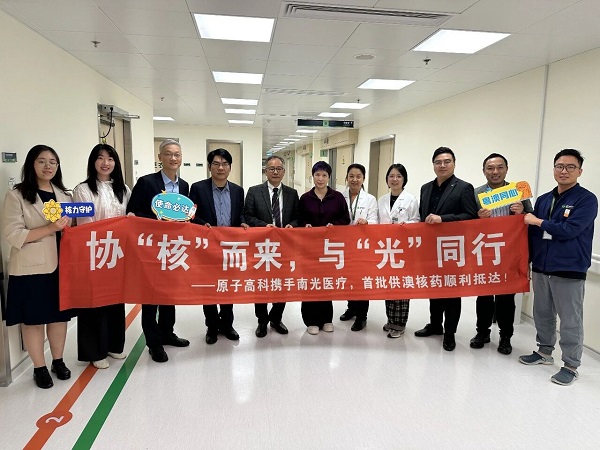
The milestone follows the commissioning of Macao's first nuclear medicine diagnostic center—the Nuclear Medicine Department of the Islands Healthcare Complex – Macao Medical Center of Peking Union Medical College Hospital (hereinafter referred to as “Macao Union Hospital”). With the launch of this facility, demand for a stable supply of radiopharmaceuticals became both clear and urgent. To meet clinical needs and better serve Macao patients, HTA Co Ltd, a subsidiary of China National Nuclear Corporation (CNNC), promptly undertook the task of providing a regular supply of radiopharmaceuticals to the center.

To ensure the safe, compliant, and efficient cross-border delivery of short half-life radiopharmaceuticals, HTA closely worked with Macao partners for nearly a year to address challenges related to cross-border transportation, customs clearance, and market access. These coordinated efforts successfully established a streamlined mechanism for regulatory approval, rapid logistics, and high-quality delivery, creating a new lifeline of medical support between Guangdong and Macao.
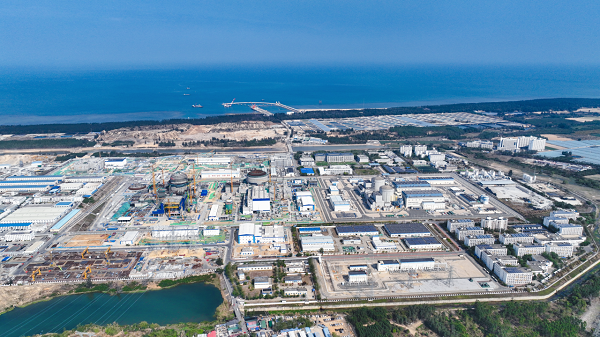
The establishment of regular radiopharmaceutical supply from the mainland to Macao marks the first substantive integration of the nuclear medicine industries of Guangdong and Macao. It lays a solid foundation for deeper industrial collaboration and serves as a model for interconnected development and coordinated upgrading of nuclear medicine across the Guangdong–Hong Kong–Macao Greater Bay Area. Looking ahead, HTA will continue to expand regional cooperation, promote the sharing of technological resources, and support the high-quality development of the Greater Bay Area’s nuclear medicine industry.