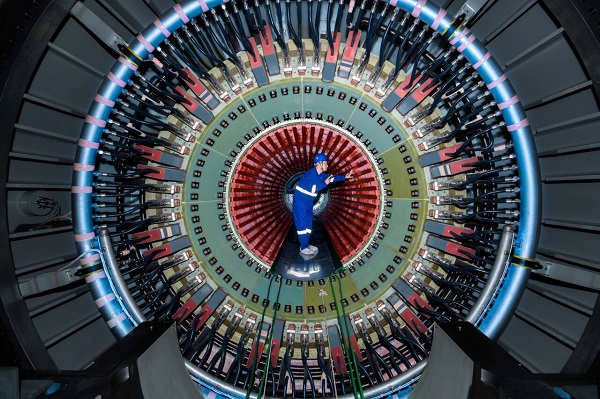


On January 1, following a successful 168-hour full-power continuous operation test, Unit 2 of CNNC's Zhangzhou Nuclear Power Project officially began commercial operation. This milestone marks the full completion and commissioning of the project's first phase, contributing to the optimization of China's energy mix and the achievement of its carbon peaking and carbon neutrality goals.
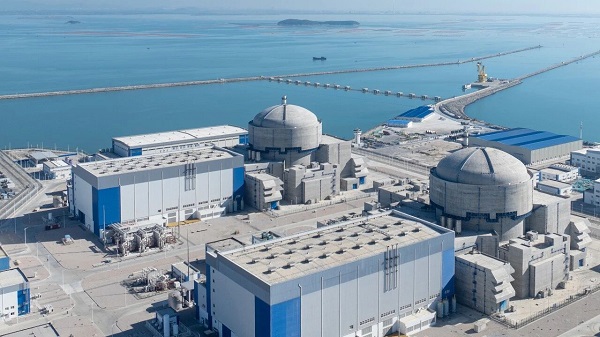
The project adopts Hualong One, China's independently developed third-generation pressurized water reactor technology with full intellectual property rights. As a flagship of China's nuclear innovation, Hualong One represents the country's transition from a major nuclear power producer to a global nuclear technology leader. Each Hualong One unit can generate over 10 billion kWh of electricity annually, reducing carbon dioxide emissions by approximately 8.16 million tons—the equivalent of saving more than 3 million tons of standard coal per year. It is currently the world's most widely deployed third-generation nuclear technology in terms of both operating and under-construction units.
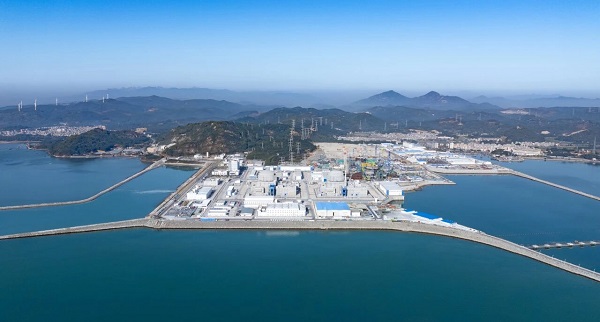
Zhangzhou Nuclear Power serves as the starting point for the large-scale deployment of Hualong One reactors. The site will host six units, making it the world's largest Hualong One nuclear power base. Units 1 and 2 are now in commercial operation, with Unit 1 having already generated 10.2 billion kWh of electricity. Units 3 and 4 are under construction, while preparatory work for Units 5 and 6 is progressing. Once fully completed, the plant is expected to produce around 60 billion kWh of clean electricity annually, significantly strengthening the power supply pattern of "north-to-south power transmission" in Southeast China's Fujian province.